The Samsung Galaxy J5 was a popular mid-range smartphone released by Samsung, offering a balance of features and affordability. While newer models have since been released, the Galaxy J5 remains a relevant device for understanding the evolution of smartphone technology. This article provides a comprehensive overview of the Samsung Galaxy J5 characteristics, examining its display, performance, camera capabilities, and other key features.
Display and Design
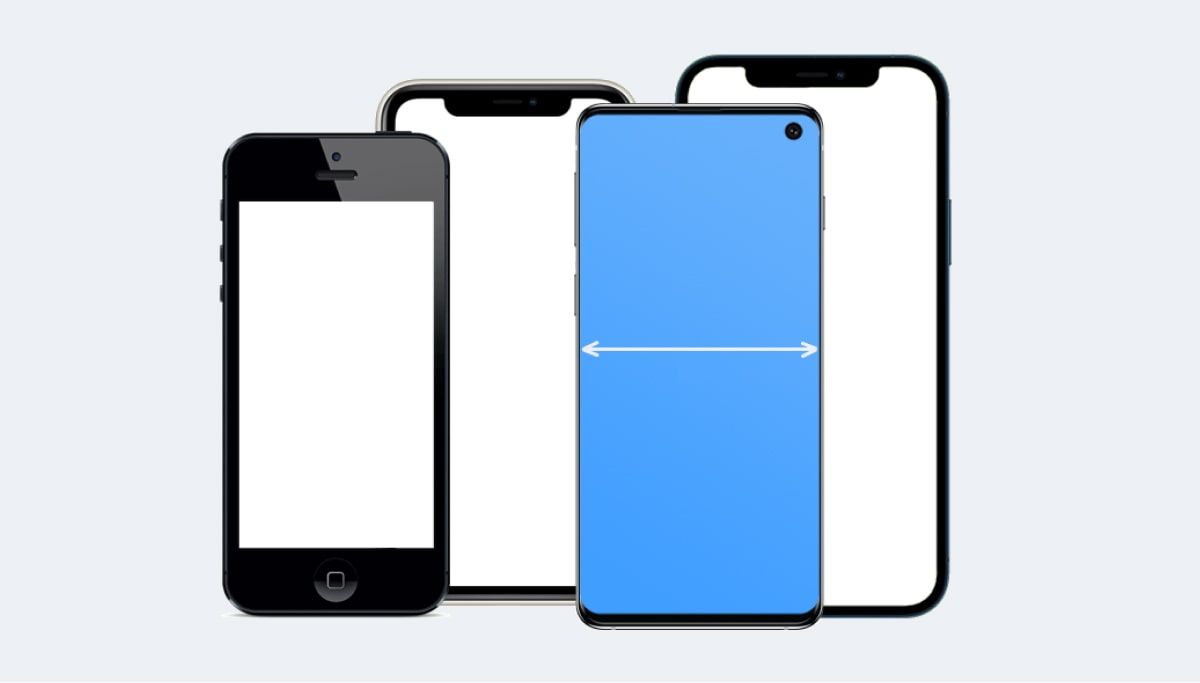
The Samsung Galaxy J5 features a Super AMOLED display, a technology known for its vibrant colors and deep blacks. Understanding the importance of display technology helps appreciate the visual experience offered by the J5. The screen size is typically around 5.0 to 5.2 inches, depending on the specific model, offering a comfortable viewing experience for most users. The resolution is usually 720 x 1280 pixels (HD), providing a decent level of sharpness for everyday tasks and multimedia consumption. The pixel density is around 280-290 ppi, which is adequate for a mid-range device.
Display Technology: Super AMOLED
Super AMOLED displays are self-emissive, meaning each pixel generates its own light. This results in superior contrast ratios compared to traditional LCD displays. The deep blacks are achieved by simply turning off the pixels, which is not possible with LCD technology that requires a backlight. The vibrant colors are also a hallmark of Super AMOLED, making photos and videos more engaging. However, some users may find the colors to be slightly oversaturated compared to more neutral LCD displays.
Screen Size and Resolution
The 5.0 to 5.2-inch screen size of the Galaxy J5 strikes a good balance between portability and usability. It’s large enough to comfortably watch videos and browse the web, yet still compact enough to easily hold and operate with one hand. The 720 x 1280 resolution is sufficient for most tasks, but individual pixels may be noticeable to users with keen eyesight, especially when viewing small text. While not as sharp as a Full HD (1080p) display, the HD resolution helps conserve battery life.
Design and Build Quality
The Samsung Galaxy J5 typically features a plastic construction, which helps keep the device lightweight and affordable. While plastic may not feel as premium as metal or glass, it is more durable and less prone to shattering. The design is generally simple and understated, with rounded corners and a comfortable grip. The back cover is often removable, allowing access to the battery and SIM card slots. The overall build quality is decent for a mid-range device, but it’s not as robust as flagship smartphones.
Performance and Hardware
The performance of the Samsung Galaxy J5 is powered by a Qualcomm Snapdragon or Exynos processor, depending on the region and model. These processors are typically paired with 1.5GB to 2GB of RAM, providing enough power for basic multitasking and everyday apps. The internal storage is usually 8GB or 16GB, which can be expanded via a microSD card. The Galaxy J5 runs on Android, providing access to a wide range of apps and services. Understanding the performance capabilities of different processors is crucial for evaluating the J5’s capabilities.
Processor and RAM
The Qualcomm Snapdragon processors found in some Galaxy J5 models are known for their balance of performance and power efficiency. They are typically quad-core or octa-core processors, providing enough processing power for most tasks. The Exynos processors, developed by Samsung, offer similar performance characteristics. The 1.5GB to 2GB of RAM is sufficient for running multiple apps simultaneously, but performance may slow down when running more demanding apps or games. Users who plan to run many apps at the same time may want to consider a device with more RAM.
Storage and Expandability
The 8GB or 16GB of internal storage is often not enough for users who want to store a lot of photos, videos, and apps. Fortunately, the Galaxy J5 includes a microSD card slot, allowing users to expand the storage capacity by up to 128GB or more. This is a valuable feature for users who need more storage space. It’s important to note that some apps cannot be installed on the microSD card, so it’s still a good idea to have some free space on the internal storage.
Operating System and Software
The Samsung Galaxy J5 runs on Android, the world’s most popular mobile operating system. This gives users access to the Google Play Store, which offers millions of apps and games. The specific version of Android varies depending on the model and software updates. Samsung also adds its own custom user interface (UI) on top of Android, which includes additional features and customizations. Some users may prefer the stock Android experience, while others may appreciate the extra features offered by Samsung’s UI. It’s worth noting that older versions of Android may not receive the latest security updates.
Camera Capabilities
The Samsung Galaxy J5 features a rear camera with a resolution of 13 megapixels, capable of capturing decent photos in good lighting conditions. The front-facing camera typically has a resolution of 5 megapixels or 8 megapixels, suitable for selfies and video calls. The camera app includes various shooting modes and features, such as panorama, HDR, and beauty mode. The image quality is generally good for a mid-range device, but it’s not as impressive as flagship smartphones with more advanced camera systems. Examining the camera specs of comparable devices helps understand the J5’s position in the market.
Rear Camera
The 13-megapixel rear camera on the Galaxy J5 is capable of capturing detailed photos in well-lit environments. The image quality degrades in low-light conditions, with more noise and less detail. The camera app includes various shooting modes, such as panorama, which allows users to capture wide-angle landscapes. HDR (High Dynamic Range) mode helps to balance the exposure in scenes with high contrast. The autofocus system is generally fast and accurate, but it may struggle in low-light conditions. The rear camera can also record videos at 1080p resolution.
Front-Facing Camera
The 5-megapixel or 8-megapixel front-facing camera is suitable for selfies and video calls. The image quality is generally good in good lighting conditions, but it can be noisy in low-light. The camera app includes a beauty mode, which softens the skin and enhances facial features. Some models also include a wide-angle lens, allowing users to capture more of the scene in their selfies. The front-facing camera can also record videos at 720p or 1080p resolution.
Camera Features and Performance
The camera app on the Galaxy J5 includes various features and shooting modes, such as burst mode, which allows users to capture multiple photos in quick succession. The camera also includes a pro mode, which allows users to manually adjust the ISO, white balance, and exposure settings. The overall camera performance is decent for a mid-range device, but it’s not as fast or responsive as flagship smartphones. The image processing is generally good, but it can sometimes oversharpen the images. The video recording quality is also decent, but it’s not as smooth or detailed as more expensive devices.
Battery Life and Connectivity
The Samsung Galaxy J5 is powered by a battery with a capacity of around 2600 mAh to 3100 mAh, depending on the model. This provides decent battery life for a mid-range device, typically lasting a full day with moderate usage. The Galaxy J5 supports 4G LTE connectivity, allowing for fast mobile data speeds. It also includes Wi-Fi, Bluetooth, and GPS. The device typically has a microUSB port for charging and data transfer. Understanding the importance of battery optimization is crucial for maximizing the J5’s battery life.
Battery Capacity and Performance
The 2600 mAh to 3100 mAh battery capacity of the Galaxy J5 provides decent battery life for most users. With moderate usage, such as browsing the web, checking email, and using social media, the device can typically last a full day on a single charge. Heavy users who play games or watch a lot of videos may need to charge the device more frequently. The battery is often removable, allowing users to replace it if it becomes worn out. The charging time is typically around 2 to 3 hours, depending on the charger used.
Connectivity Options
The Samsung Galaxy J5 supports 4G LTE connectivity, which provides fast mobile data speeds for browsing the web, streaming videos, and downloading files. The device also includes Wi-Fi, allowing users to connect to wireless networks. Bluetooth is used for connecting to wireless headphones, speakers, and other devices. GPS is used for navigation and location-based services. The device typically has a microUSB port for charging and data transfer. Some models may also include NFC (Near Field Communication) for contactless payments.
Charging and Ports
The Samsung Galaxy J5 typically has a microUSB port for charging and data transfer. MicroUSB is an older standard, and it’s not as fast or convenient as the newer USB-C standard. The device may also include a 3.5mm headphone jack, allowing users to connect wired headphones. The charging time is typically around 2 to 3 hours, depending on the charger used. The device does not support fast charging, so it may take longer to charge than newer smartphones.
Software and Features
The Samsung Galaxy J5 runs on Android, with Samsung’s custom user interface (UI) on top. The UI includes various features and customizations, such as themes, gestures, and multi-window mode. The device also includes pre-installed apps from Samsung and Google. The software experience is generally smooth and responsive, but it can be resource-intensive, which may impact performance on older models. The availability of software updates varies depending on the model and region.
Samsung’s User Interface
Samsung’s user interface (UI) is known for its distinctive design and features. It includes various customizations, such as themes, which allow users to change the look and feel of the device. The UI also includes gestures, which allow users to perform actions by swiping or tapping on the screen. Multi-window mode allows users to run two apps side-by-side on the screen. Some users appreciate the extra features offered by Samsung’s UI, while others prefer the stock Android experience.
Pre-Installed Apps
The Samsung Galaxy J5 comes with various pre-installed apps from Samsung and Google. These apps include Samsung’s own browser, email client, and music player, as well as Google’s Gmail, Chrome, and YouTube. Some users may find these apps useful, while others may prefer to use alternative apps. Many of the pre-installed apps can be uninstalled, freeing up storage space.
Software Updates
The availability of software updates for the Samsung Galaxy J5 varies depending on the model and region. Older models may no longer receive updates, which means they may not have the latest security patches and features. Newer models may receive updates for a longer period of time. It’s important to keep the device up-to-date to ensure optimal performance and security. Software updates can be installed over-the-air (OTA) via Wi-Fi or mobile data.
Samsung Galaxy J5: Specifications Table
Here’s a table summarizing the key specifications of the Samsung Galaxy J5:
Conclusion
The Samsung Galaxy J5 was a well-rounded mid-range smartphone that offered a good balance of features and affordability. Its Super AMOLED display, decent performance, and capable camera made it a popular choice for budget-conscious consumers. While newer models have since been released, the Galaxy J5 remains a relevant device for understanding the evolution of smartphone technology. Understanding the specifications of older devices like the J5 helps appreciate advancements in modern smartphones. The characteristics of the Samsung Galaxy J5 provide a valuable insight into the mid-range smartphone market of its time. Many of the features found on the J5, such as the expandable storage and decent camera, are still relevant today.