Revolutionizing Language: Gemini Powers Google Translate’s Live Audio
The landscape of global communication is undergoing a profound transformation, spearheaded by the latest advancements in artificial intelligence. A monumental leap forward has arrived with the integration of Google’s powerful Gemini AI model into Google Translate, promising a new era of precision and fluidity in cross-language interactions. This upgrade isn’t merely an incremental improvement; it signifies a fundamental shift in how we perceive and utilize translation technology, particularly with the introduction of groundbreaking live translation capabilities directly through headphones. The advent of Gemini-Powered Google Translate Live Translations marks a pivotal moment, offering users an unprecedented ability to transcend linguistic barriers with remarkable ease and naturalness.
For years, Google Translate has been an indispensable tool for millions, bridging gaps in understanding across diverse cultures and languages. However, the nuances of human speech – the subtle inflections, idiomatic expressions, and local slang – have always presented a significant challenge for even the most sophisticated machine translation systems. With Gemini at its core, Google Translate is now equipped to tackle these complexities head-on, delivering translations that are not just accurate in meaning but also rich in context and tone. This enhancement is already rolling out across Google Search and the dedicated Translate app on both iOS and Android platforms, initially supporting English to nearly 20 other languages, including Spanish, Hindi, Chinese, Japanese, and German, with more on the horizon.
Beyond the enhanced textual translation, the most exciting development is undoubtedly the beta experience for real-time, live translations accessible via headphones. Imagine engaging in a conversation with someone speaking a different language, and hearing their words translated into your ear, preserving the original speaker’s tone, emphasis, and cadence. This innovation promises to make multilingual interactions feel more natural and less disjointed, fostering genuine connection rather than simply conveying information. This beta feature is currently available on Android in the US, Mexico, and India, supporting over 70 languages, with plans for a broader rollout to more regions and iOS devices in 2026. This article delves into the transformative impact of these updates, exploring the technology, user experience, and the future of global communication.
The Dawn of Gemini in Google Translate: Unlocking Nuance and Context
The integration of the Gemini AI model represents a seismic shift for Google Translate. Previously, while highly functional, the system sometimes struggled with the subtleties that make human language so rich and complex. Gemini, with its advanced multimodal capabilities, brings a new level of understanding to the translation process. It’s designed to process and comprehend information across various modalities—text, code, audio, image, and video—which allows it to grasp context far more effectively than its predecessors.
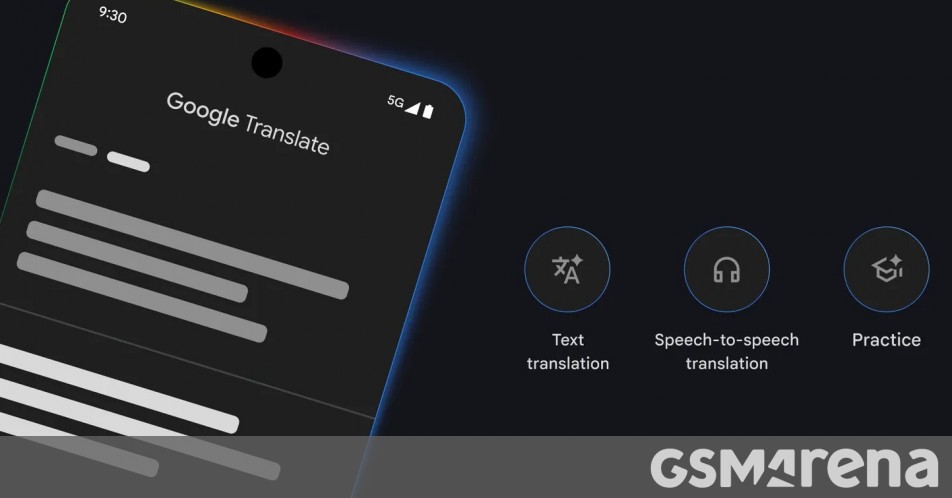
Understanding Gemini’s Impact on Translation Quality
The core benefit of Gemini’s integration lies in its ability to enhance translation quality, particularly for nuanced meanings, idioms, local expressions, and slang. Traditional machine translation often performs a word-for-word or phrase-for-phrase conversion, which can strip away the cultural and contextual layers of speech. Gemini, however, can infer deeper meaning, recognizing when a phrase is idiomatic and providing an equivalent in the target language that retains the original sentiment rather than a literal, often nonsensical, translation. This “state-of-the-art translation quality,” as Google describes it, means fewer awkward phrases and more natural, human-like output.
For instance, an idiom like “it’s raining cats and dogs” would typically be translated literally by older systems, resulting in a confusing phrase in another language. Gemini is designed to understand this as a metaphor for heavy rain and translate it into a culturally appropriate equivalent, ensuring the message is conveyed accurately and naturally. This is crucial for both casual conversations and professional exchanges, where misunderstandings can have significant consequences. The rollout of these improved capabilities began in the US and India, supporting English and a foundational set of nearly 20 languages, signifying a strategic initial focus on high-usage language pairs and diverse linguistic environments. This initial phase includes major global languages such as Spanish, Hindi, Chinese, Japanese, and German, paving the way for wider adoption.
Availability and Initial Rollout
The enhanced Google Translate, now powered by Gemini, is readily accessible through two primary avenues: Google Search and the dedicated Google Translate application on both iOS and Android devices. This widespread availability ensures that a vast user base can immediately benefit from the improved translation quality. The initial launch in the United States and India is a strategic move, targeting regions with significant multilingual populations and a high demand for advanced translation services. The support for English and nearly 20 other languages from the outset demonstrates a robust foundation for this new technology. As the system learns and adapts, we can anticipate a rapid expansion of supported languages and regions, further solidifying Google Translate’s position as a global leader in language technology.
Real-Time Communication: Live Translations on Headphones
While the improved textual translation is significant, the true game-changer is the beta experience that enables live, real-time translations through headphones. This feature transforms Google Translate from a utility for static text into a dynamic tool for fluid, spontaneous cross-linguistic dialogue. It moves beyond simple word-for-word interpretation to create a truly immersive and intuitive communication experience.
How Live Translate Works: Preserving Tone and Cadence
The live translate feature is designed to make conversations feel as natural as possible. When activated, the system listens to the speaker, processes their words through the Gemini AI, and then delivers the translated speech directly into the user’s headphones. Crucially, it doesn’t just translate the words; it attempts to preserve the tone, emphasis, and cadence of the original speaker. This is a monumental achievement in natural language processing, as these elements are vital for conveying emotion, intent, and personality. A flat, robotic translation, even if accurate, can hinder genuine connection. By maintaining these human vocal characteristics, the live translation aims to foster more empathetic and effective communication.
To use this feature, individuals simply need to wear their headphones, open the Google Translate app, and tap the “Live translate” option. The app then acts as an interpreter, allowing two or more people to converse fluidly across language barriers. This innovation has vast implications for various scenarios, from international travel and business meetings to personal interactions with friends and family who speak different languages. The convenience of having a personal, real-time interpreter in your ear is unparalleled. Furthermore, for those interested in exploring the intricacies of advanced smartphone hardware that often facilitate such cutting-edge features, a detailed guide on the intricacies of advanced smartphone hardware, like folding screens, offers further insight into the complexities of modern device components.

Rollout and Future Expansion
The initial beta rollout of the live translate feature is currently available on Android devices in the US, Mexico, and India, supporting more than 70 languages. This strategic launch allows Google to gather valuable feedback and refine the technology in diverse linguistic and cultural contexts. The decision to prioritize Android reflects its larger global market share, enabling a wider initial reach for testing and improvement. Google has confirmed that the feature will expand to more geographical locations and will also arrive on iOS devices in 2026. This phased rollout ensures stability and optimization before a broader release, guaranteeing a polished experience for all users. The advancements in personal audio devices, such as high-quality wireless headphones, are perfectly timed to complement these new translation capabilities, enhancing the overall user experience.
Enhanced Language Learning Tools
Google Translate has long served as a rudimentary tool for language learners, offering quick dictionary lookups and phrase translations. With the Gemini integration, its utility as a learning aid is significantly enhanced, transforming it into a more interactive and supportive platform for language acquisition.
Improved Feedback and Practice
One of the key improvements for language learners is the introduction of enhanced feedback mechanisms. When practicing speaking, users will now receive more intelligent and actionable tips based on their pronunciation, grammar, and fluency. This goes beyond simple “correct” or “incorrect” indicators, providing insights that can genuinely help learners refine their speaking skills. For instance, the system might offer suggestions on intonation, stress patterns, or common grammatical pitfalls specific to the language being learned. This personalized feedback, powered by Gemini’s understanding of language intricacies, can accelerate the learning process and build greater confidence in speaking a new language.
Moreover, the updated learning tools offer a new way to challenge oneself and track progress. Users can now set and monitor their learning goals, including tracking consecutive days of practice. This gamified approach leverages psychological principles to encourage consistent engagement, turning language learning into a more rewarding and habit-forming activity. Achieving daily streaks and seeing tangible progress can be highly motivating, pushing learners to integrate language practice into their daily routines. This focus on user engagement and personalized learning pathways distinguishes the new Google Translate from mere translation utilities, positioning it as a comprehensive language companion. As mobile technology continues to evolve, the distinction between various platforms like Android and iOS often comes down to user experience and preferred ecosystem. For a deeper dive into user preferences and the perennial debate between operating systems, exploring resources like the perennial debate between iPhone and Android ecosystems can provide valuable context.
Expanded Reach for Learning Features
The enhanced language learning tools are also expanding their geographical reach, becoming available in nearly 20 new countries and territories. This includes significant markets such as Germany, India, Sweden, and Taiwan, among others. This expansion underscores Google’s commitment to making effective language learning accessible to a global audience. By integrating these advanced learning features directly into a widely used platform like Google Translate, the barrier to entry for language acquisition is significantly lowered, empowering more individuals to explore new languages and cultures. This broad rollout ensures that a diverse group of learners can benefit from Gemini’s intelligent feedback and motivating progress tracking, fostering a more connected and multilingual world.
The Technical Underpinnings: Gemini’s AI Prowess
Understanding the “how” behind these revolutionary updates requires a glance at the technical capabilities of the Gemini AI model. Gemini is not just another large language model; it’s a multimodal AI designed from the ground up to be capable of understanding and operating across text, images, audio, and video. This multimodal nature is precisely what makes it so powerful for translation, especially for live, nuanced conversations.
Multimodal Capabilities and Enhanced Accuracy
Traditional translation models primarily work with text. While they can achieve high accuracy, they often lack the contextual understanding derived from other forms of input. Gemini’s multimodal design means it can process audio input directly, not just transcribed text. This allows it to capture crucial non-verbal cues present in speech, such as intonation, pitch, and rhythm, which are vital for conveying emotion and emphasis. By integrating these auditory signals with the linguistic content, Gemini can generate translations that are not only semantically correct but also reflect the emotional and tonal qualities of the original speech. This leads to a significantly more natural and contextually appropriate output, particularly evident in the live translation feature.
Furthermore, Gemini’s advanced architecture enables a deeper understanding of semantic relationships and complex sentence structures. This is critical for handling idioms, slang, and culturally specific phrases, where a literal translation would fail. The model has been trained on vast datasets, allowing it to identify patterns and make inferences that mimic human linguistic intuition. This deep learning capability is what allows Google to claim “state-of-the-art translation quality.” The continuous learning and refinement of such AI models are also seen in other areas of technology, such as significant camera upgrades in flagship smartphones, where AI plays an increasingly vital role in image processing and enhancement.
Challenges in Real-Time AI Translation
Despite Gemini’s prowess, developing real-time AI translation, especially with nuance preservation, presents formidable technical challenges. Latency is a primary concern: translations must be delivered almost instantaneously to maintain the flow of conversation. This requires incredibly efficient processing and optimization of the AI model. Accuracy under varying conditions, such as background noise, accents, and rapid speech, also needs continuous improvement. Ensuring the ethical use of AI, particularly in terms of data privacy and avoiding algorithmic biases in translation, is another ongoing challenge that Google, like all AI developers, must address diligently. The development of such sophisticated mobile technologies often involves complex ecosystems and competitive landscapes, as highlighted by discussions around Apple’s NFC access policies and broader regulatory scrutiny in the tech industry.
Impact on Global Connectivity and Accessibility
The advancements in Gemini-Powered Google Translate Live Translations carry profound implications for global connectivity and accessibility. By significantly lowering language barriers, this technology has the potential to reshape how individuals, businesses, and communities interact on a global scale.
Breaking Down Communication Barriers
For individuals, the ability to communicate effortlessly across languages opens up a world of possibilities. Travelers can navigate foreign countries with greater confidence, interacting more meaningfully with locals. Students can engage in international collaborations without language being an impediment. For immigrants and refugees, these tools can provide critical support in daily life, enabling them to communicate in new environments and access essential services. The personal experience of feeling understood, even when speaking different languages, fosters empathy and reduces the isolation that language barriers can create.
In a globalized world, effective communication is paramount for economic growth and cultural exchange. Businesses can expand into new markets more easily, conduct international negotiations with greater clarity, and provide better customer service to a diverse clientele. The live translation feature, in particular, can transform international conferences, business meetings, and cross-border collaborations, making them more inclusive and productive. This democratizes access to global opportunities, allowing smaller businesses and individuals to participate in the international arena more effectively.
Empowering Individuals and Businesses
The empowerment derived from these advanced translation tools extends beyond mere convenience. For individuals, it’s about gaining agency and confidence in unfamiliar linguistic environments. It means being able to fully participate in conversations, express oneself authentically, and understand others without relying on human interpreters, which can be costly and not always available. This newfound linguistic independence can be life-changing, fostering a sense of belonging and reducing anxiety in cross-cultural interactions.
For businesses, the benefits are tangible. Enhanced communication leads to better understanding, stronger partnerships, and fewer errors. It facilitates market research in foreign territories, streamlines international supply chains, and improves employee training across diverse linguistic backgrounds. The ability to quickly and accurately translate customer feedback, marketing materials, and legal documents in real-time can provide a significant competitive advantage. This technological leap allows businesses to operate more seamlessly across borders, tapping into global talent pools and customer bases with unprecedented efficiency. Just as advancements in AI are enhancing communication, parallel developments are occurring in other mobile device functionalities, such as advancements in smartphone camera technology, which similarly empower users with new capabilities.
A Closer Look at the User Experience
The success of any powerful technology hinges on its user experience. Google has clearly focused on making the Gemini-Powered Google Translate Live Translations as intuitive and seamless as possible, ensuring that the advanced AI operates in the background while the user focuses on communication.
Step-by-Step for Using Live Translation
Using the live translation feature is remarkably straightforward, designed to minimize friction and maximize efficiency:
- Equip Headphones: Ensure your Bluetooth or wired headphones are connected to your Android device. High-quality headphones are recommended for the best audio experience.
- Open Google Translate App: Launch the Google Translate application on your smartphone.
- Tap “Live translate”: On the main interface, locate and tap the “Live translate” icon. This typically looks like a microphone or a conversation bubble with a language indicator.
- Select Languages: Choose the source and target languages for the conversation. The app will automatically try to detect languages, but manual selection ensures accuracy.
- Start Speaking: Begin your conversation. The app will listen to the speaker, process the audio through Gemini, and deliver the translation into your headphones in real time.
- Engage Naturally: Speak at a natural pace. While the system is robust, clear speech will always yield the best results.
This simple process makes it accessible even for those who are not tech-savvy, ensuring that the focus remains on the conversation itself rather than on operating the technology. The experience is designed to be as close to having a human interpreter as possible, without the inherent delays or costs.
Tips for Optimal Performance
- Clear Environment: Use the feature in a relatively quiet environment to minimize background noise interference, which can affect speech recognition accuracy.
- Speak Clearly: Articulate your words clearly and at a moderate pace. While Gemini is adept at handling various speech patterns, clear input yields optimal results.
- Good Quality Headphones: Invest in a pair of reliable, good-quality headphones. This ensures clear audio output of the translations and can also improve microphone input quality if your headphones have one.
- Stable Internet Connection: While some processing might occur on-device, a stable internet connection is crucial for accessing the full power of Gemini’s cloud-based AI and for real-time updates.
- Update Your App: Always keep your Google Translate app updated to the latest version to benefit from ongoing improvements and bug fixes.
Privacy Considerations
As with any AI-powered service that processes audio, privacy is a significant concern. Google states that user privacy is paramount, and audio data processed for live translation is handled securely. Users should review Google’s privacy policy regarding data usage for AI services to understand how their interactions are utilized for improving the service while maintaining confidentiality. Typically, such systems use anonymized and aggregated data for model training, ensuring individual conversations are not directly linked back to users for public use. The increasing focus on privacy in technology is a major trend, with companies constantly refining their policies and features, much like the evolving discussions around innovations in personal item locators and their associated privacy implications.
Competitive Landscape and Future Outlook
The introduction of Gemini-Powered Google Translate Live Translations significantly reshapes the competitive landscape of translation technology. While many companies offer translation services, Google’s deep integration of advanced AI, especially for live audio, sets a new benchmark.
Positioning Against Competitors
Google Translate has always been a dominant player due to its accessibility and breadth of language support. However, specialized translation devices and apps from companies like DeepL, iTranslate, and various hardware-based translation earbuds have carved out niches by offering high accuracy in specific contexts or form factors. Gemini’s integration, particularly with its multimodal understanding and nuance preservation, directly challenges these competitors by offering a superior, more natural experience within a widely adopted, free platform. The ability to seamlessly integrate into existing mobile ecosystems and leverage Google’s vast data infrastructure gives it a distinct advantage. Furthermore, as the competition intensifies, companies are constantly innovating in various aspects of mobile technology, including areas such as high-performance selfie cameras, which contribute to the overall appeal and functionality of modern smartphones.
The live translation on headphones feature is particularly disruptive. While other companies offer similar real-time translation devices, Google’s approach leverages existing smartphones and headphones, making it accessible to a much broader audience without requiring additional dedicated hardware purchases. This strategy could lead to widespread adoption, pushing other players to innovate rapidly or risk being left behind in the race for true universal communication.