Unpacking Siri’s Shortcomings: Why Basic Tasks Fail
For many Apple users, the phrase “Hey Siri” is a daily utterance, often followed by a moment of anticipation, and sometimes, a sigh of exasperation. While smart assistants promise a seamless, voice-controlled future, the reality of interacting with Siri often highlights persistent Siri’s core functionality gaps. Users frequently find themselves asking, “Hey Siri, why can’t you do even the simplest of things well?” This isn’t just a minor inconvenience; it points to fundamental issues in how Siri interprets commands, understands context, and integrates with the broader digital ecosystem. Despite years of development and significant investment from Apple, the assistant often struggles with tasks that seem rudimentary, leading to a frustrating user experience that undermines the very convenience it aims to provide.
This article delves into the reasons behind Siri’s limitations, exploring the technical hurdles, design philosophies, and user expectations that contribute to its perceived shortcomings. We will examine the gap between the assistant’s potential and its everyday performance, offering insights into why seemingly straightforward requests can often lead to confusion or outright failure. By understanding these underlying challenges, we can better appreciate the complexities of voice AI and consider what steps Apple might take to enhance Siri’s capabilities, transforming it from a source of frustration into a truly intelligent and reliable companion.
The Persistent Frustration with Siri’s Core Functionality Gaps
The promise of a sophisticated voice assistant that seamlessly manages our digital lives is compelling. Imagine effortlessly setting reminders, controlling smart home devices, or finding information, all with just your voice. Apple’s marketing often paints this idyllic picture, yet for many, the daily interaction with Siri falls short. The core functionality gaps are not just about advanced features; they often surface during the simplest of requests, creating a dissonance between expectation and reality that chips away at user satisfaction.
The Promise vs. The Reality: A Daily Struggle
The advertising showcases Siri as an intuitive, almost clairvoyant, assistant. In reality, users frequently encounter scenarios where Siri either misunderstands a simple command, fails to execute it, or responds with irrelevant information. For instance, asking Siri to “play the latest podcast from [specific name]” might result in it playing a random song, searching the web, or simply stating, “I can’t find that.” This struggle is particularly noticeable when compared to the performance of rival assistants, which often demonstrate a greater capacity for understanding nuanced language and maintaining conversational context. The inconsistency in Siri’s performance, even on basic tasks, makes it unreliable, forcing users to revert to manual interactions, thus defeating the purpose of a voice assistant.
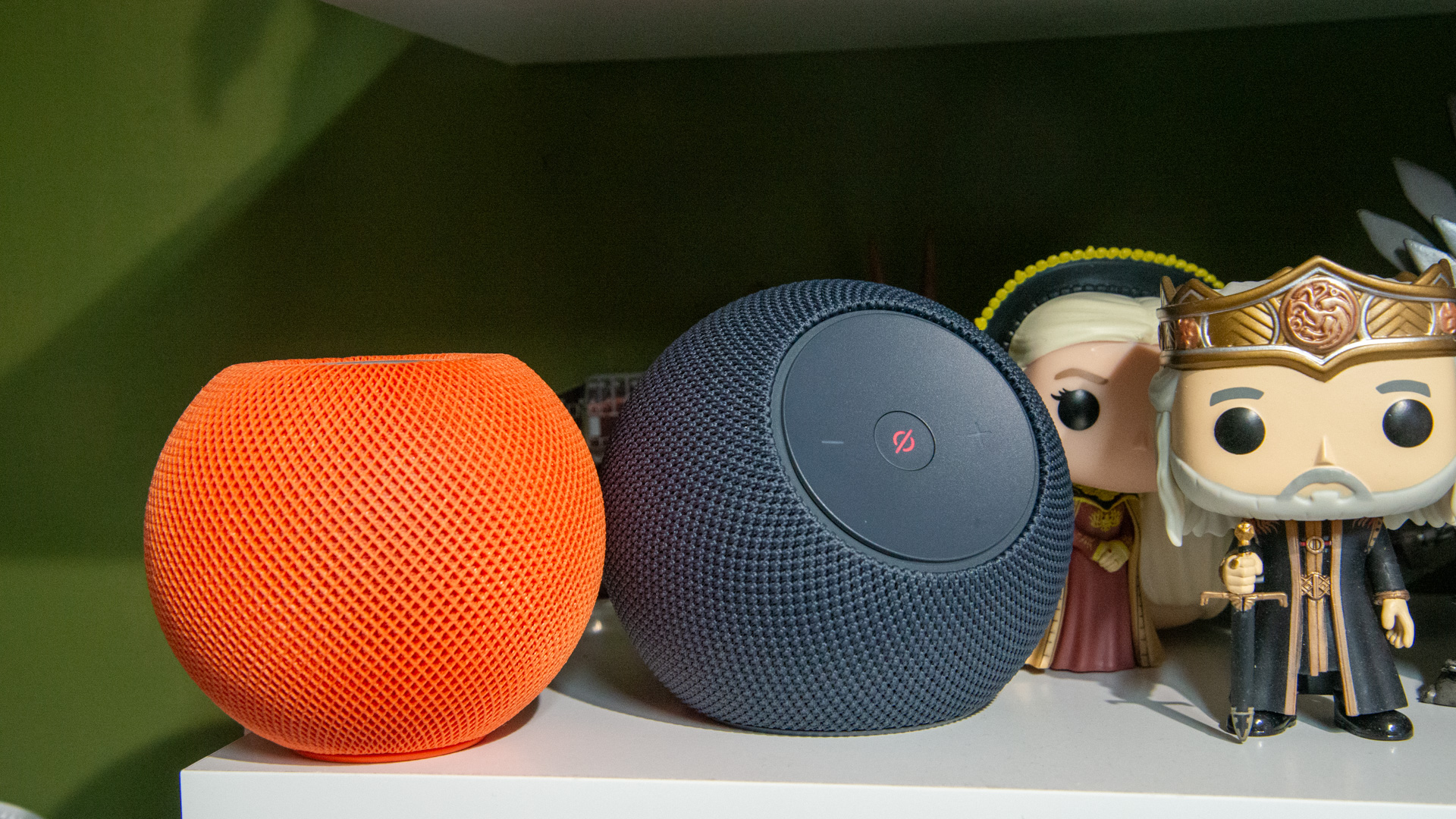
Consider the scenario of controlling smart home devices. A command like “Turn on the living room lights” should be straightforward. However, if Siri misinterprets “living room” or struggles with device naming conventions, the command fails. This is particularly vexing in multi-assistant households where other platforms might execute the same command flawlessly. The cumulative effect of these small failures is a significant erosion of trust and a reluctance to rely on Siri for critical or time-sensitive tasks. The daily struggle against these Siri’s core functionality gaps turns what should be a convenience into a constant source of mild irritation.
Common Misunderstandings and Unmet Expectations
Part of the problem stems from a fundamental mismatch between how users naturally speak and how Siri is programmed to interpret language. Human communication is rich with context, inference, and idiomatic expressions. Siri, despite advancements in natural language processing (NLP), often struggles with these subtleties. A request like “Remind me to call John when I get home” is complex for an AI. It requires understanding “John” (which John?), “when I get home” (geofencing, current location), and the intent to set a reminder. While it can handle parts of this, the holistic understanding often eludes it, leading to a generic “What time should I remind you?” or a failed attempt.
Moreover, user expectations have grown significantly. With the proliferation of advanced AI models and the rapid evolution of digital assistants, people expect a higher degree of intelligence and adaptability. When Siri fails to keep pace with these advancements, its limitations become more pronounced. Users expect a proactive assistant, one that anticipates needs or learns from past interactions. Instead, Siri often feels reactive and isolated, lacking the deep integration and contextual awareness that would elevate it beyond a simple command-and-response tool. This gap between sophisticated user expectations and Siri’s current capabilities contributes significantly to the perception of its Siri’s core functionality gaps.
Decoding Siri’s Limitations: Technical Hurdles and Design Choices
To understand why Siri sometimes falters, it’s crucial to look beyond the surface and examine the technical underpinnings and strategic design decisions that shape its capabilities. The challenges are multifaceted, ranging from the inherent difficulties of natural language processing to Apple’s particular approach to ecosystem integration and privacy.
Understanding Natural Language Processing Challenges
Natural Language Processing (NLP) is the backbone of any voice assistant, enabling it to understand, interpret, and generate human language. It’s an incredibly complex field. Siri’s struggles often lie in its ability to accurately parse intent, handle ambiguity, and manage ongoing conversations. While it has improved significantly, it still lags behind some competitors in understanding complex sentence structures, sarcasm, or context-dependent phrases. For example, if you say, “Play some relaxing music,” Siri might play a generic playlist. If you then follow up with “No, something more instrumental,” it might lose the previous context and start a new search, rather than refining the current one. This lack of conversational memory is a significant technical hurdle.
Furthermore, accents, background noise, and speech impediments can severely impact Siri’s accuracy. While robust speech-to-text engines exist, translating diverse human speech into actionable data remains a formidable task. When the initial transcription is flawed, the subsequent NLP stages are inherently compromised, leading to the “I didn’t quite get that” responses that are all too common. Addressing these deep-seated NLP issues is critical to bridging Siri’s core functionality gaps.
Contextual Awareness: A Missing Link
One of the most significant differentiators between a good voice assistant and a truly great one is contextual awareness. This involves understanding not just the words being spoken, but also the user’s location, time of day, calendar, previous interactions, and even their emotional state. Siri often operates in a vacuum, treating each command as an isolated request. If you ask, “What’s the weather like?” and then immediately follow with, “How about tomorrow?” Siri might struggle to connect “tomorrow” to the previous weather query, potentially asking “Where?” again. This lack of persistent context makes multi-turn conversations cumbersome and unnatural.
The ability to infer intent based on the user’s current activity or environment is also underdeveloped. If you’re looking at a restaurant’s website and ask Siri, “What are their hours?”, it should ideally understand that “their” refers to the restaurant currently displayed. Often, it doesn’t, requiring you to explicitly state the restaurant’s name again. This deficiency in contextual intelligence is a major contributor to Siri’s core functionality gaps and limits its utility in dynamic, real-world scenarios.
The Closed Ecosystem Dilemma
Apple’s tightly controlled ecosystem, while beneficial for security and user experience consistency, can sometimes hinder Siri’s versatility. Unlike some competitors that integrate broadly with third-party services and devices, Siri’s capabilities are often limited to Apple’s own apps and a curated selection of third-party integrations. This means that if a user prefers a non-Apple service for music, mapping, or messaging, Siri’s functionality might be restricted or require more cumbersome workarounds.
While Apple has opened up Siri Shortcuts, allowing users to create custom voice commands for various apps, the process can be complex for the average user and doesn’t fully compensate for a lack of native, deep integration. This walled-garden approach, while protecting user privacy and ensuring a cohesive experience, inadvertently contributes to Siri’s core functionality gaps by limiting its ability to interact with the full spectrum of a user’s digital life. The contrast is stark when considering the broader integration options available within the diverse ecosystem of Android OEMs, which often boast more open APIs for their respective assistants.
The User Experience Impact: More Than Just Annoyance
The frustrations arising from Siri’s core functionality gaps extend beyond mere annoyance. They impact productivity, add to cognitive load, and can even influence perceptions of Apple’s brand. A tool designed to simplify life can, paradoxically, complicate it when it consistently fails to perform as expected.
Productivity Loss and Cognitive Load
When Siri fails to execute a command, users are forced to stop, rethink, and often perform the task manually. This interruption breaks workflow, leading to lost time and decreased productivity. Imagine trying to quickly add an item to a shopping list while your hands are full, only for Siri to misunderstand, forcing you to put everything down to type it in. These small, repeated interruptions accumulate, turning a potentially efficient interaction into a time sink.
Furthermore, the unpredictability of Siri’s performance creates a cognitive load. Users have to constantly adjust their expectations and strategies for interacting with the assistant. They might try to phrase commands in overly simplistic ways, or even avoid certain commands entirely, simply because they’ve learned Siri can’t handle them reliably. This mental overhead detracts from the seamless experience Apple aims to deliver and highlights the real-world impact of Siri’s core functionality gaps.
Accessibility Implications
For users with accessibility needs, a reliable voice assistant is not just a convenience but a necessity. Individuals with visual impairments, motor disabilities, or other challenges rely heavily on voice commands to navigate their devices and interact with the digital world. When Siri struggles with basic commands, it disproportionately affects these users, creating barriers rather than removing them.
A voice assistant that consistently misunderstands or fails to execute commands can be a source of significant frustration and exclusion for those who depend on it most. Improving Siri’s core functionality, especially for simple tasks, would represent a major step forward in making technology more inclusive and accessible for everyone, addressing critical Siri’s core functionality gaps in its current design.
Trust Erosion and Brand Perception
Apple has built its reputation on delivering premium, intuitive, and reliable technology. Siri’s inconsistencies, however, can chip away at this meticulously crafted brand image. When a core feature like the voice assistant underperforms, it can lead to a perception that Apple is falling behind its competitors in a crucial area of innovation. Users start to question the “it just works” philosophy when their voice commands repeatedly don’t.
This erosion of trust extends beyond Siri itself; it can subtly influence overall satisfaction with Apple products. If a user feels their iPhone or HomePod isn’t as smart or as capable as a competitor’s device, it might impact future purchasing decisions. Addressing Siri’s core functionality gaps is therefore not just about technical improvement, but also about reinforcing Apple’s commitment to excellence and user satisfaction.
Comparing Virtual Assistants: Where Siri Stands (and Falls)
To fully appreciate Siri’s position, it’s helpful to compare its performance against its primary rivals: Google Assistant and Amazon Alexa. While each has its strengths and weaknesses, a comparative analysis reveals areas where Siri particularly struggles, especially regarding its core functionality.
Google Assistant’s Strengths in Context and Integration
Google Assistant is often lauded for its superior contextual understanding and its ability to handle multi-turn conversations more effectively. Leveraging Google’s vast knowledge graph and search capabilities, it excels at answering complex queries, understanding follow-up questions without needing explicit rephrasing, and integrating deeply with a wide array of services. Its contextual awareness allows it to maintain a thread of conversation, making interactions feel more natural and less like a series of isolated commands.
For instance, you can ask Google Assistant, “Who won the Super Bowl last year?” and then follow up with, “What’s his net worth?” It will correctly infer that “his” refers to the quarterback of the winning team. This level of semantic understanding and conversational continuity is a key area where Siri’s core functionality gaps become apparent. Google’s open approach to third-party integration, particularly within the diverse ecosystem of Android OEMs, also gives it an edge in controlling a wider range of smart devices and services.
Amazon Alexa’s Dominance in Smart Home Control
Amazon Alexa has established itself as a leader in smart home integration. With a vast ecosystem of compatible devices and a robust “Skills” platform, Alexa offers unparalleled control over a multitude of smart gadgets. Its ability to discover and manage devices from various manufacturers is often smoother and more comprehensive than Siri’s, which is largely confined to HomeKit-compatible accessories. For users whose primary use case for a voice assistant is smart home management, Alexa frequently provides a more reliable and expansive experience.
While Siri has made strides with HomeKit, its adoption is still limited compared to the broader smart home market. This specialization by Amazon means that for certain core functionalities, particularly in the realm of connected devices, Siri often appears less capable and less versatile, further emphasizing Siri’s core functionality gaps in this crucial domain.
The iOS vs. Android AI Battle
The competition between iOS and Android extends deeply into the realm of AI assistants. While Apple prioritizes privacy and a curated user experience, often keeping data processing on-device, Android’s approach, particularly with Google Assistant, leans towards cloud-based processing and extensive data utilization to enhance intelligence. This fundamental difference in philosophy impacts performance. Cloud-based AI can leverage massive datasets and more powerful processing, potentially leading to better understanding and more accurate responses. However, it raises privacy concerns. Apple’s on-device processing, while safeguarding user data, might inherently limit the complexity and breadth of tasks Siri can perform, contributing to the ongoing AI competition between Android and iOS platforms and highlighting Siri’s core functionality gaps.
The battle for AI supremacy isn’t just about features; it’s about fundamental architectural choices. As users demand more from their assistants, Apple faces the challenge of enhancing Siri’s intelligence without compromising its core values of privacy and security. The outcome of this fierce competition between AI assistants on Android and iOS will largely determine the future landscape of voice technology.
Potential Solutions and Apple’s Path Forward
Addressing Siri’s core functionality gaps requires a multi-pronged approach, encompassing technological advancements, strategic partnerships, and a renewed focus on user experience. Apple is undoubtedly aware of these challenges and likely investing heavily in solutions.
Leveraging Advanced AI and Machine Learning
The future of Siri heavily relies on advancements in AI and machine learning. This includes more sophisticated neural networks for natural language understanding, improved speech recognition models that can handle diverse accents and noisy environments, and better contextual reasoning engines. Incorporating techniques like federated learning could allow Siri to improve from user data without compromising privacy, a key Apple tenet. By moving towards more proactive and personalized AI, Siri could anticipate user needs, offer relevant suggestions, and learn from past interactions to become genuinely intelligent.
The broader field of AI is evolving at an incredible pace, with breakthroughs impacting everything from image recognition to AI-powered skincare solutions. Apple can leverage these broader advancements in AI technology to bolster Siri’s capabilities, especially in understanding complex queries and maintaining conversational flow. Investing in cutting-edge research and integrating these innovations will be crucial for closing Siri’s core functionality gaps.
Expanding Third-Party Integration
While Apple’s closed ecosystem has its advantages, a more open approach to third-party integration could significantly enhance Siri’s