Dell 14 Premium: Black Friday’s Best Laptop Deal
The holiday shopping season is officially upon us, and Black Friday deals are already flooding the market. Among the numerous offers vying for your attention, one stands out as an exceptional value: the Dell 14 Premium. This laptop, lauded as one of the best of the year, is currently available at its lowest price ever, making it an irresistible proposition for anyone in the market for a new machine. The Dell 14 Premium, previously known as the Dell XPS line, is making waves as a strong contender against the MacBook Pro, especially for those deeply rooted in the Windows 11 ecosystem. For those looking to explore other opportunities to save, mastering the art of deal hunting can lead to even better savings beyond just Black Friday.
Why the Dell 14 Premium Stands Out
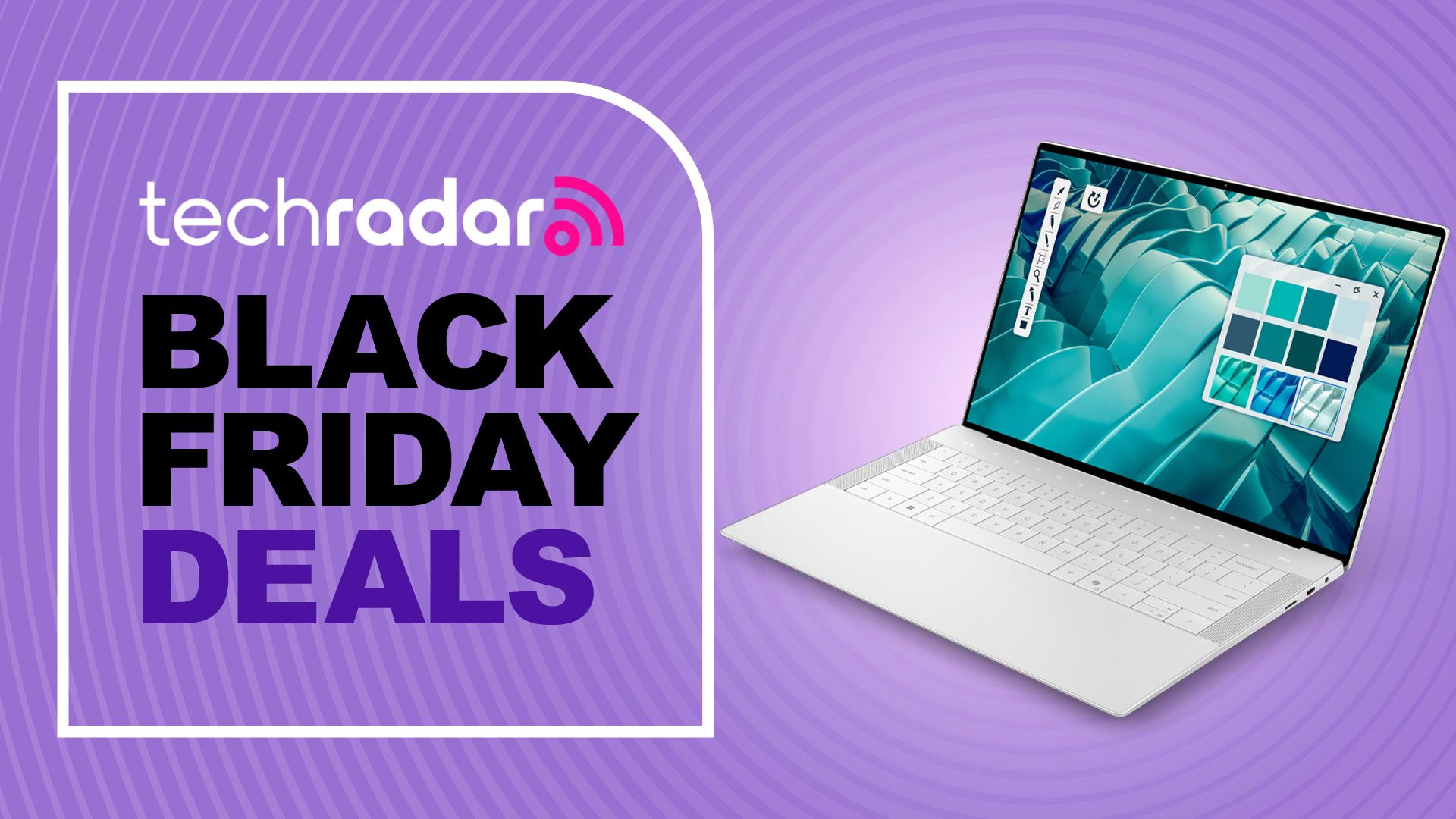
Earlier this year, the Dell 14 Premium garnered significant praise for its exceptional performance and premium features. Now, Dell.com is offering this powerhouse for an incredible $999.99, a substantial $550 discount from its original list price. While other retailers may offer Black Friday deals, the starting configuration of the Dell 14 Premium appears to be exclusively on sale directly from Dell, making it a truly unique opportunity.
The model on sale features an Intel Core Ultra 7 255H processor, 16GB of LPDDR5x RAM, a fast 512GB SSD, and a vibrant 14.5-inch 1600p display with a smooth 120Hz refresh rate. This configuration balances power and portability, making it ideal for a wide range of users, from students to professionals. If you’re finding your current machine to be a distraction, you might want to consider how you can transform your laptop into a distraction-free writing hub to maximize your productivity.
Dell 14 Premium vs. MacBook Pro: A Comparative Look
The Dell Premium line is designed to compete directly with Apple’s MacBook Pro. It offers a compelling alternative for users who prefer the Windows 11 environment. One of the key advantages of the Dell 14 Premium is its customizability. Configuring the laptop with an Nvidia RTX 4050 GPU transforms it into a portable creative workstation, often outperforming a similarly priced 14-inch MacBook Pro in demanding tasks. The Dell 14 Premium offers a blend of power and versatility that’s hard to match, especially at its current discounted price. It’s worth considering how this laptop’s audio performance compares to other premium devices; for example, considering why you might not like the sound of the Apple AirPods Pro 3 can provide a helpful reference point.
Performance and Key Specifications
The integrated Intel Arc graphics model might fall slightly behind the M5 MacBook Pro 14-inch in graphics-intensive, non-gaming tasks like video editing. However, the difference isn’t significant enough to be a deal-breaker for most users. Unless you’re deeply entrenched in the Apple ecosystem, the Dell 14 Premium offers a comparable experience, often at a more attractive price point. The following table provides a detailed comparison of the key specifications:
Who Should Buy the Dell 14 Premium Black Friday Deal?
This Dell 14 Premium Black Friday deal is perfect for:
- Students: The laptop offers a balance of performance, portability, and affordability, making it ideal for academic work and entertainment.
- Professionals: The powerful processor and ample RAM can handle demanding tasks like video editing, graphic design, and software development.
- Creative Workers: When configured with an Nvidia RTX 4050 GPU, the Dell 14 Premium becomes a portable workstation capable of outperforming similarly priced MacBook Pros.
- Anyone Seeking Value: At $999.99, the Dell 14 Premium offers an unbeatable combination of features and performance for the price.
Beyond the Dell 14 Premium: Exploring Other Black Friday Deals
While the Dell 14 Premium is undoubtedly a standout deal, it’s essential to explore other Black Friday offers to ensure you’re making the most informed decision. Major retailers like Amazon, Apple, and Best Buy are offering significant discounts on various products, including TVs, AirPods, MacBooks, and more. It’s crucial to stay informed about potential disruptions that could affect your online shopping experience; understanding what happens during a Cloudflare outage, for example, can help you prepare for potential delays.
Here’s a quick overview of some of the best Black Friday sales currently available:
- Amazon: Up to 45% off on TVs, AirPods, air fryers, and vacuums.
- Apple: Deals on iPads, AirPods, and MacBooks, starting from $119.
- Best Buy: Discounts of up to $1,000 on TVs, laptops, and headphones.
- Dell: Laptop deals starting from $249.99.
- Home Depot: Up to 40% off on appliances and furniture.
The Importance of Due Diligence Before Buying
Before committing to any purchase, it’s crucial to conduct thorough research and compare prices across different retailers. Read reviews, compare specifications, and consider your individual needs and budget. Ensure you’re not sacrificing essential features for the sake of a lower price. For audiophiles, comparing the audio quality of different devices, such as exploring the mid-tier audio excellence of the Creative Aurvana Ace 3, can help inform your decision.
Remember that Black Friday deals can be overwhelming, and it’s easy to get caught up in the hype. Take your time, do your research, and make informed decisions that align with your needs and budget. This Dell 14 Premium Black Friday deal is a great opportunity to upgrade your technology without breaking the bank. The focus keyphrase, “Dell 14 Premium Black Friday Deal,” encapsulates the essence of this article and its value proposition.
The Future of Laptop Deals and Black Friday Trends
Black Friday has evolved significantly over the years, transforming from a single day of frantic shopping to a month-long extravaganza of deals and discounts. This trend is likely to continue, with retailers offering increasingly aggressive promotions and extending their sales periods. The future of laptop deals may involve more personalized offers and targeted promotions based on individual user preferences and browsing history.
As technology advances, we can also expect to see more innovative features and capabilities in laptops, such as improved AI integration, enhanced security features, and more sustainable designs. Black Friday will continue to be a prime opportunity to acquire these cutting-edge technologies at discounted prices.
Ultimately, the key to navigating Black Friday successfully is to be prepared, informed, and disciplined. Set a budget, prioritize your needs, and avoid impulse purchases. By following these guidelines, you can make the most of the Black Friday season and secure the best deals on the products you want.
The Dell 14 Premium Black Friday deal represents a unique opportunity to acquire a top-tier laptop at an unprecedented price. Whether you’re a student, professional, or creative worker, this laptop offers a compelling combination of performance, portability, and value. Don’t miss out on this incredible opportunity to upgrade your technology and enhance your productivity.
In conclusion, the Dell 14 Premium Black Friday deal presents an exceptional opportunity to acquire a high-quality laptop at a significantly reduced price. Its powerful performance, sleek design, and versatile features make it an ideal choice for students, professionals, and creative workers alike. Considering the potential impact of disruptions on online services, staying informed about events like a Cloudflare outage and its impact on ChatGPT, X, and other web services is crucial for a smooth shopping experience. Don’t hesitate to take advantage of this limited-time offer and elevate your computing experience with the Dell 14 Premium.
For those seeking to enhance their audio experience, consider the features and design leaks surrounding the Samsung Galaxy Buds 4 Pro, which could offer a significant upgrade to your listening experience while using your new laptop. Furthermore, always remember to compare prices and features to ensure you’re getting the best possible value for your money during this Black Friday season. The Dell 14 Premium Black Friday deal is certainly a highlight, but exploring all your options is the key to making a truly informed decision.
In addition to the Dell 14 Premium Black Friday deal, it’s also worth exploring other offers on accessories and peripherals that can enhance your computing experience. For example, consider investing in a high-quality external monitor, a comfortable keyboard and mouse, or a reliable pair of headphones. These accessories can significantly improve your productivity and enjoyment while using your new laptop. Remember to research and compare prices to ensure you’re getting the best possible value for your money.
As Black Friday approaches, it’s essential to be aware of potential scams and fraudulent offers. Be cautious of deals that seem too good to be true, and always purchase from reputable retailers. Avoid clicking on suspicious links or providing personal information to untrusted sources. By taking these precautions, you can protect yourself from becoming a victim of fraud and ensure a safe and enjoyable shopping experience. The Dell 14 Premium Black Friday deal is a legitimate offer from a trusted retailer, but it’s always wise to exercise caution and vigilance when shopping online.
Finally, remember that Black Friday is not just about buying things; it’s also about spending time with loved ones and enjoying the holiday season. Don’t let the pressure of finding the best deals distract you from what truly matters. Take a break from shopping, connect with family and friends, and appreciate the blessings in your life. The Dell 14 Premium Black Friday deal is a great opportunity to upgrade your technology, but it’s just one small part of a much larger and more meaningful experience.
With its powerful performance, sleek design, and unbeatable price, the Dell 14 Premium Black Friday deal is a must-consider for anyone in the market for a new laptop. But remember to stay vigilant, explore all options, and prioritize your needs and budget. Happy shopping, and enjoy the holiday season!
The Dell 14 Premium’s sale is a great chance to get a high-quality laptop at a lower price. However, it’s important to shop smart and compare different offers. Don’t rush into buying; take your time to check what you need and what you can afford. This way, you’ll be sure to find the best deals and avoid overspending. It’s also wise to look at reviews to see what other people think about the laptop before you buy it. This can help you make a good choice and ensure you’re happy with your purchase. Remember, Black Friday is a great time to save money, but it’s also a time to be careful and make smart decisions. If you’re looking for a new laptop, the Dell 14 Premium is a good option to consider, but make sure it fits your needs and budget. Shopping smart will help you get the best value for your money and enjoy your new laptop for years to come.
Always be mindful of the online safety measures you need to take while browsing for deals. Ensure your antivirus software is up-to-date and avoid clicking on suspicious links. By being cautious, you protect your personal information and financial details from potential cyber threats. The Dell 14 Premium Black Friday deal is a fantastic opportunity, but your online security should always be a top priority. Responsible online shopping habits will help you enjoy the benefits of Black Friday without compromising your safety.
The Dell 14 Premium’s performance and design make it a strong contender in the laptop market. But, before making a decision, it is wise to evaluate your specific requirements. Consider the software you use, the type of tasks you perform, and the level of portability you need. Aligning your laptop choice with your individual needs will ensure you select a device that truly enhances your productivity and meets your expectations. The Dell 14 Premium Black Friday deal is attractive, but a well-informed decision based on your unique needs will yield the most satisfaction.
The potential savings offered by Black Friday deals can be tempting, but it is crucial to avoid overspending. Set a clear budget and stick to it. Prioritize the items you need and resist the urge to make impulse purchases. By being disciplined with your spending, you can enjoy the benefits of Black Friday without accumulating unnecessary debt. The Dell 14 Premium Black Friday deal is a worthwhile opportunity, but responsible financial management is essential for a stress-free holiday season. Prioritize your needs and make informed decisions that align with your financial goals.
Remember that Black Friday deals often come with limited availability, so it’s wise to act quickly once you’ve made your decision. However, don’t let the urgency rush you into making a purchase you’ll later regret. Take a moment to review your options and ensure you’re making the right choice. The Dell 14 Premium Black Friday deal is a fantastic opportunity, but a thoughtful and deliberate approach is always recommended. Balance the need for speed with the importance of careful consideration to ensure a satisfying purchase experience.
Before finalizing your purchase, carefully review the retailer’s return policy. Understanding the terms and conditions of returns and exchanges will provide you with peace of mind in case you encounter any issues with your new laptop. A clear return policy ensures you can address any concerns without hassle, making your Black Friday shopping experience more secure and enjoyable. The Dell 14 Premium Black Friday deal is exciting, but knowing your return options adds an extra layer of confidence to your purchase decision. Secure your investment by familiarizing yourself with the retailer’s return guidelines.
Remember that Black Friday deals are not the only opportunities to save money. Throughout the year, retailers offer various promotions and discounts. Stay informed about these ongoing deals to maximize your savings. By being proactive and vigilant, you can find great deals beyond the Black Friday season. The Dell 14 Premium Black Friday deal is an excellent opportunity, but a continuous awareness of available offers will help you optimize your budget year-round. Cultivate a habit of seeking out deals and discounts to make the most of your purchasing power.
Consider exploring refurbished or open-box laptops as alternative options. These devices often come with significant discounts and can provide excellent value for your money. However, carefully inspect the condition of the device and ensure it comes with a warranty. A refurbished or open-box Dell 14 Premium could be a budget-friendly way to acquire a high-quality laptop. Weigh the pros and cons and make an informed decision based on your individual circumstances and preferences. Explore all possibilities to find the best deal that suits your needs.
Finally, remember that the best Black Friday deal is the one that aligns with your needs and budget. Don’t get caught up in the hype and make impulsive purchases you’ll later regret. Prioritize your requirements, conduct thorough research, and make informed decisions that will enhance your life without breaking the bank. The Dell 14 Premium Black Friday deal is an attractive option, but a thoughtful and strategic approach will ensure you make the most of the holiday shopping season. Focus on value and satisfaction, not just the allure of discounts.