The automotive world is constantly evolving, pushing the boundaries of engineering and design. Among the innovative forces shaping the future of high-performance vehicles, Czinger Vehicles stands out with its groundbreaking approach to manufacturing and performance. The Czinger 21C, a 3D-printed hypercar, represents a paradigm shift in automotive engineering, blending cutting-edge technology with unparalleled performance. This article delves into the intricacies of the Czinger 21C, exploring its design, technology, performance, and the vision behind this revolutionary vehicle. Prepare to explore how the Czinger 21C hypercar is redefining what’s possible in the realm of high-performance automobiles.

The Genesis of Czinger Vehicles
Czinger Vehicles was founded by Kevin Czinger with a clear vision: to revolutionize the automotive industry through the application of advanced manufacturing techniques. Dissatisfied with traditional manufacturing processes that are often slow, expensive, and limiting in terms of design freedom, Czinger sought to create a new paradigm. This vision led to the development of Divergent Adaptive Production System (DAPS), a proprietary 3D printing process that allows for the creation of highly complex and lightweight components. This innovative approach forms the backbone of the Czinger 21C hypercar.
Divergent Adaptive Production System (DAPS)
DAPS represents a significant departure from conventional automotive manufacturing. It leverages 3D printing, also known as additive manufacturing, to create parts layer by layer from materials like aluminum alloys, titanium, and carbon fiber. This process enables the creation of intricate geometries and internal structures that would be impossible to achieve with traditional methods. The benefits of DAPS are numerous:
- Lightweighting: 3D printing allows for the creation of hollow or lattice-like structures, significantly reducing the weight of components without compromising strength.
- Design Freedom: Designers can explore complex shapes and aerodynamic profiles that are difficult or impossible to manufacture using traditional methods.
- Rapid Prototyping: The ability to quickly iterate on designs and produce prototypes accelerates the development process, reducing time to market.
- Reduced Tooling Costs: 3D printing eliminates the need for expensive tooling and molds, making it more cost-effective to produce low-volume, high-performance vehicles.
- Sustainability: DAPS reduces material waste by only using the necessary amount of material for each part, contributing to a more sustainable manufacturing process.
The 3D printing technology behind the Czinger 21C isn’t just about creating parts; it’s about creating optimized parts. The AI-driven design process ensures that every component is perfectly tailored to its function, maximizing performance and efficiency. This holistic approach to design and manufacturing sets Czinger apart from traditional automakers.
The Czinger 21C Hypercar: A Masterpiece of Engineering
The Czinger 21C is the embodiment of Czinger Vehicles’ vision. It’s a hypercar that seamlessly blends cutting-edge technology with breathtaking performance. From its striking design to its innovative powertrain, every aspect of the 21C is engineered to deliver an unparalleled driving experience. The performance specs of the Czinger 21C are truly astounding.
Design and Aerodynamics
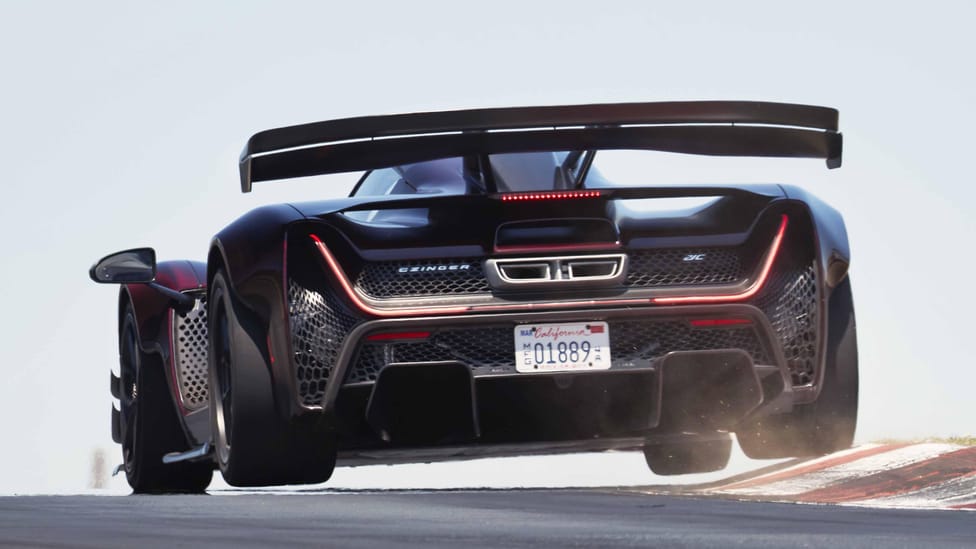
The design of the Czinger 21C is both visually striking and aerodynamically optimized. The hypercar’s low-slung profile, aggressive lines, and sculpted surfaces are designed to minimize drag and maximize downforce. Key aerodynamic features include:
- Long Tail Design: The extended rear section reduces turbulence and improves airflow, enhancing stability at high speeds.
- Large Rear Wing: The adjustable rear wing generates significant downforce, providing increased grip and cornering performance.
- Underbody Aerodynamics: Carefully sculpted underbody elements channel airflow to create a ground effect, further increasing downforce.
- Air Intakes and Outlets: Strategically placed air intakes and outlets manage airflow to cool the engine and brakes, while also contributing to aerodynamic efficiency.
The central driving position, with a passenger seat directly behind, is another unique design element that enhances the driver’s connection to the car. This configuration also allows for a narrower overall vehicle width, improving aerodynamics and maneuverability.
Powertrain and Performance
The Czinger 21C is powered by a hybrid powertrain that combines a mid-mounted 2.88-liter twin-turbo V8 engine with two electric motors. This potent combination delivers a staggering 1250 horsepower, propelling the hypercar from 0 to 62 mph in just 1.9 seconds. The top speed is electronically limited to 253 mph.
Key powertrain components include:
- 2.88-liter Twin-Turbo V8: This bespoke engine is designed and built by Czinger, featuring a flat-plane crankshaft and high-revving capabilities.
- Twin Electric Motors: Two electric motors, one powering each front wheel, provide instant torque and all-wheel-drive capability.
- 800V Battery System: The high-voltage battery system provides ample power for the electric motors and enables a limited electric-only range.
- 7-Speed Sequential Transmission: A robust 7-speed sequential transmission delivers lightning-fast gear changes.
The hybrid powertrain not only delivers incredible performance but also enhances drivability and efficiency. The electric motors provide instant torque, filling in the gaps in the V8’s power delivery and creating a seamless and responsive driving experience. The hybrid powertrain of the Czinger 21C is a testament to the company’s commitment to innovation and performance.

Chassis and Suspension
The Czinger 21C’s chassis is a masterpiece of engineering, combining lightweight construction with exceptional rigidity. The chassis is primarily constructed from 3D-printed aluminum and carbon fiber, resulting in a structure that is both strong and lightweight. The suspension system is equally impressive, featuring:
- Double Wishbone Suspension: A double wishbone suspension setup provides precise wheel control and excellent handling characteristics.
- Adjustable Dampers: Electronically adjustable dampers allow the driver to fine-tune the suspension to suit different driving conditions.
- Carbon Ceramic Brakes: High-performance carbon ceramic brakes provide exceptional stopping power and resistance to fade.
The chassis design and suspension system work in harmony to deliver a responsive and engaging driving experience. The Czinger 21C feels planted and stable at high speeds, yet agile and nimble in corners.
The Future of Automotive Manufacturing
The Czinger 21C is not just a hypercar; it’s a showcase for the future of automotive manufacturing. Czinger Vehicles’ innovative approach to design and production has the potential to transform the industry, enabling the creation of more efficient, sustainable, and high-performance vehicles. The implications of DAPS extend far beyond the realm of hypercars.

Applications Beyond Hypercars
The DAPS manufacturing process can be applied to a wide range of automotive components and vehicles, including:
- Electric Vehicles: Lightweighting is crucial for maximizing the range and efficiency of electric vehicles. DAPS can be used to create lightweight chassis, suspension components, and body panels, reducing weight and improving performance.
- Autonomous Vehicles: The complex sensor systems and electronic components required for autonomous vehicles add weight and complexity. DAPS can be used to create integrated structures that house these components, reducing weight and improving packaging.
- Commercial Vehicles: DAPS can be used to create lightweight and durable components for commercial vehicles, improving fuel efficiency and reducing operating costs.
- Aerospace: The aerospace industry has long embraced 3D printing for its ability to create lightweight and complex components. DAPS can be adapted for aerospace applications, enabling the creation of more efficient and sustainable aircraft.
The future of manufacturing is undoubtedly intertwined with advanced technologies like 3D printing and AI-driven design. Czinger Vehicles is at the forefront of this revolution, paving the way for a new era of automotive innovation.
Czinger 21C: Performance Redefined
The Czinger 21C is more than just a hypercar; it’s a statement. It’s a testament to the power of innovation, the potential of advanced manufacturing, and the relentless pursuit of performance. With its groundbreaking design, innovative powertrain, and exceptional handling, the 21C redefines what’s possible in the world of high-performance automobiles. The driving experience is unlike anything else.

Setting New Benchmarks
The Czinger 21C has already set several track records, demonstrating its exceptional performance capabilities. These achievements include:
- Laguna Seca Raceway: The 21C set a new production car lap record at Laguna Seca, beating the previous record by a significant margin.
- Circuit of the Americas (COTA): The 21C also set a new lap record at COTA, further solidifying its status as a track-focused hypercar.
- Other Notable Tracks: Czinger continues to test and refine the 21C, with plans to set lap records at other iconic tracks around the world.
These track records are a testament to the 21C’s exceptional performance and engineering. Czinger Vehicles has proven that its innovative approach to design and manufacturing can deliver real-world results on the track.
Conclusion: The Czinger 21C and the Future of Performance
The Czinger 21C is more than just a hypercar; it’s a symbol of innovation and a glimpse into the future of automotive manufacturing. By embracing advanced technologies like 3D printing and AI-driven design, Czinger Vehicles is pushing the boundaries of what’s possible in the world of high-performance automobiles. The 21C represents a new era of automotive engineering, one where lightweighting, design freedom, and rapid prototyping are paramount. As the automotive industry continues to evolve, Czinger Vehicles is poised to play a leading role in shaping the future of performance.
Frequently Asked Questions (FAQ)
| What is the main topic of this article? |
This article provides comprehensive information about the Czinger 21C hypercar, its innovative 3D-printed construction, and its impact on the future of automotive manufacturing. It covers all related aspects in detail. |
| Where can I find more detailed information? |
Additional information and resources are available through the internal links provided throughout the article. You can also check the references section for more sources (if available). |
| How current is this information? |
This article contains up-to-date information relevant to current trends and developments in the hypercar and automotive manufacturing fields. We regularly update our content to ensure accuracy. |
| Who is this article intended for? |
This article is designed for readers seeking a comprehensive understanding of the Czinger 21C, from automotive enthusiasts to industry professionals. It covers both basic concepts and advanced insights. |
| Are there any important updates I should know about? |
Yes, we regularly monitor developments and update our content accordingly. Check the publication date and any update notices for the most current information regarding the Czinger 21C and related technologies. |
Important Notice
This content is regularly updated to ensure accuracy and relevance for our readers. If you have any questions, feel free to contact us.
Content Quality: This article has been carefully researched and written to provide valuable insights and practical information. Our team works hard to maintain high standards.