Samsung Galaxy S25 FE: Unveiling the Value Flagship of 2025
Samsung’s highly anticipated Fan Edition (FE) smartphone has arrived for 2025, and it’s poised to redefine the meaning of “value flagship.” The Samsung Galaxy S25 FE aims to bridge the gap between affordability and premium features, offering a compelling alternative to the flagship Galaxy S series without compromising on essential performance and user experience. While retaining the core DNA of its predecessor, the Galaxy S25 FE takes a significant leap forward, closing the distance to the Galaxy S25+ in terms of both hardware and functionality. This review dives deep into what makes the S25 FE a compelling contender in the competitive smartphone market.
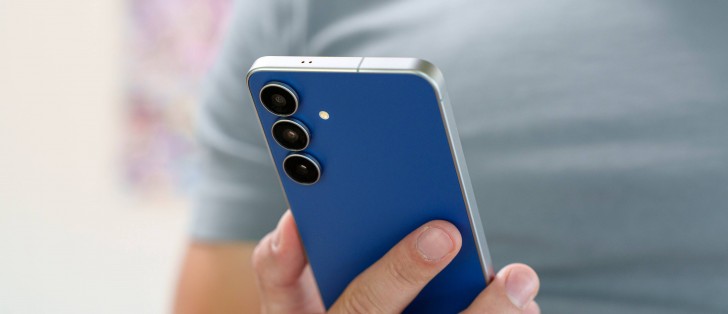
One of the most notable upgrades is the inclusion of the full Exynos 2400 chipset, a significant improvement over the previous generation’s potentially cut-down variant. This translates to enhanced processing power and improved overall performance. Complementing this powerful chipset is a slightly larger battery, ensuring extended usage throughout the day. Furthermore, the S25 FE now supports faster 45W charging, bringing it in line with the S25+, significantly reducing charging times. The device also features a new and improved front-facing camera, enhancing selfie quality and video call clarity. Finally, the upgraded armor aluminum frame provides increased durability and a more premium feel.
Despite these significant enhancements, the Galaxy S25 FE retains several key features that made its predecessors popular. These include the vibrant 6.7-inch OLED display with high brightness, ensuring excellent visibility even in direct sunlight. The familiar triple-camera setup offers versatile photography options, while Samsung’s signature design aesthetic maintains a cohesive and recognizable brand identity. The Samsung Galaxy S25 FE is more than just a budget-friendly alternative; it’s a well-rounded smartphone that delivers a near-flagship experience at a more accessible price point.
Key Specifications: A Closer Look at the Samsung Galaxy S25 FE
Let’s delve deeper into the specifications that define the Samsung Galaxy S25 FE:
- Body: 161.3×76.6×7.4mm, 190g; Glass front (Gorilla Glass Victus+), glass back (Gorilla Glass Victus+), aluminum frame; IP68 dust-tight and water-resistant (immersible up to 1.5m for 30 min), Enhanced armor aluminum frame.
- Display: 6.70″ Dynamic AMOLED 2X, 120Hz, HDR10+, 1900 nits (peak), 1080x2340px resolution, 19.5:9 aspect ratio, 385ppi.
- Chipset: Exynos 2400 (4 nm): 10-core (1×3.2GHz Cortex-X4 & 2×2.9GHz Cortex-A720 & 3×2.6GHz Cortex-A720 & 4×1.95GHz Cortex-A520); Xclipse 940.
- Memory: 128GB 8GB RAM, 256GB 8GB RAM, 512GB 8GB RAM.
- OS/Software: Android 16, up to 7 major Android upgrades, One UI 8.
- Rear camera: Wide (main): 50 MP, f/1.8, 24mm, 1/1.57″, 1.0µm, dual pixel PDAF, OIS; Telephoto: 8 MP, f/2.4, 75mm, 1/4.4″, 1.0µm, PDAF, OIS, 3x optical zoom; Ultra wide angle: 12 MP, f/2.2, 13mm, 123˚, 1/3.0″, 1.12µm.
- Front camera: 12 MP, f/2.2, 26mm (wide), 1/3.2″, 1.12µm.
- Video capture: Rear camera: 8K@30fps, 4K@30/60/120fps, 1080p@30/60/120fps, gyro-EIS; Front camera: 4K@30/60fps, 1080p@30fps.
- Battery: 5000 mAh; 45W wired, PD3.0, 50% in 30 min (advertised).
- Misc: Fingerprint reader (under display, optical); NFC; stereo speakers.
Detailed Analysis of the Samsung Galaxy S25 FE
Now, let’s break down the key aspects of the Samsung Galaxy S25 FE, examining its design, performance, camera capabilities, and software experience.
Design and Build Quality
The Samsung Galaxy S25 FE boasts a refined design that blends seamlessly with Samsung’s current design language. The use of Gorilla Glass Victus+ on both the front and back provides excellent scratch resistance and durability, while the enhanced armor aluminum frame offers superior protection against drops and impacts. The IP68 rating ensures dust and water resistance, allowing users to confidently use the device in various environments. The phone feels solid and well-built in hand, exuding a premium feel that belies its more affordable price tag. The overall design is both functional and aesthetically pleasing, making the Galaxy S25 FE a visually appealing device.

Display: A Visual Delight
The 6.7-inch Dynamic AMOLED 2X display on the Galaxy S25 FE is a visual treat. With a 120Hz refresh rate, scrolling and animations are incredibly smooth, enhancing the overall user experience. The HDR10+ support ensures vibrant and accurate colors, while the peak brightness of 1900 nits allows for excellent visibility even in direct sunlight. The 1080x2340px resolution provides a sharp and detailed image, making it ideal for watching videos, playing games, and browsing the web. The display is one of the standout features of the Samsung Galaxy S25 FE, offering a premium viewing experience.
Performance: Power Under the Hood
The inclusion of the Exynos 2400 chipset in the Samsung Galaxy S25 FE is a game-changer. This powerful processor delivers exceptional performance, handling demanding tasks with ease. Whether you’re gaming, multitasking, or running resource-intensive applications, the S25 FE delivers a smooth and responsive experience. The Xclipse 940 GPU provides excellent graphics performance, making it ideal for mobile gaming. The combination of the Exynos 2400 chipset and ample RAM ensures that the Samsung Galaxy S25 FE can handle anything you throw at it.
Camera: Capturing Memories with Clarity
The triple-camera setup on the Samsung Galaxy S25 FE offers a versatile range of photographic options. The 50MP main camera captures stunningly detailed images with excellent dynamic range. The 8MP telephoto lens with 3x optical zoom allows you to get closer to your subjects without sacrificing image quality. The 12MP ultrawide lens is perfect for capturing expansive landscapes and group photos. The camera system is further enhanced by Samsung’s image processing algorithms, which produce vibrant and realistic colors. The Samsung Galaxy S25 FE also excels in video recording, offering 8K@30fps and 4K@30/60/120fps capabilities.
Software: A Seamless User Experience
The Samsung Galaxy S25 FE runs on Android 16 with Samsung’s One UI 8 on top. One UI 8 offers a clean and intuitive user interface, with a focus on ease of use and customization. Samsung promises up to 7 major Android upgrades, ensuring that the Galaxy S25 FE will remain up-to-date with the latest features and security updates for years to come. The software experience is smooth and responsive, with a wealth of features and customization options.
Comparing the Samsung Galaxy S25 FE to the Competition
In the competitive mid-range smartphone market, the Samsung Galaxy S25 FE faces stiff competition. Let’s compare it to some of its key rivals.
Samsung Galaxy S25 FE vs. Google Pixel 10
The Google Pixel 10 is known for its exceptional camera capabilities and clean Android experience. While the Pixel 10 may offer slightly better image processing, the Samsung Galaxy S25 FE boasts a more versatile camera system with a telephoto lens. The S25 FE also offers a brighter display and faster charging. Ultimately, the choice between the two depends on individual priorities.

Samsung Galaxy S25 FE vs. Xiaomi Redmi 15
The Xiaomi Redmi 15 is often praised for its aggressive pricing and impressive hardware. While the Redmi 15 may offer a slightly larger battery, the Samsung Galaxy S25 FE boasts a superior display, a more refined design, and a more polished software experience. The Galaxy S25 FE also benefits from Samsung’s extensive ecosystem and after-sales support.
Samsung Galaxy S25 FE vs. Honor Magic V5
The Honor Magic V5 is a foldable phone, targeting a different market segment. While the Magic V5 offers a unique foldable form factor, the Samsung Galaxy S25 FE provides a more traditional smartphone experience with a focus on value and performance. The S25 FE is also more affordable and easier to handle.
Pros and Cons of the Samsung Galaxy S25 FE
To provide a balanced perspective, let’s summarize the pros and cons of the Samsung Galaxy S25 FE:
Pros:
- Powerful Exynos 2400 chipset
- Vibrant 120Hz Dynamic AMOLED 2X display
- Versatile triple-camera setup
- Long-term software support (up to 7 Android upgrades)
- IP68 dust and water resistance
- Fast 45W charging
Cons:
- No microSD card slot
- No 3.5mm headphone jack
- Potentially less competitive camera performance compared to Pixel phones
Pricing and Availability
The Samsung Galaxy S25 FE is expected to be available in a range of configurations, with pricing varying depending on storage capacity and region. It is anticipated to be priced competitively to attract a wide range of consumers looking for a premium smartphone experience without breaking the bank. Check with local retailers and online stores for specific pricing and availability information.
Conclusion: Is the Samsung Galaxy S25 FE Worth It?
The Samsung Galaxy S25 FE is a compelling value flagship that offers a near-flagship experience at a more accessible price point. With its powerful Exynos 2400 chipset, vibrant display, versatile camera system, and long-term software support, the Samsung Galaxy S25 FE is a strong contender in the mid-range smartphone market. While it may not be perfect, its strengths outweigh its weaknesses, making it a worthwhile consideration for anyone looking for a well-rounded and capable smartphone. If you are looking for enhanced battery capabilities, you might consider the Huawei MatePad Pro 12.2 (2025).
The inclusion of the full Exynos 2400 chipset is a significant upgrade, providing a noticeable boost in performance compared to previous FE models. The improved display, faster charging, and enhanced durability further enhance the overall user experience. While the camera performance may not be quite on par with dedicated camera-centric phones like the Google Pixel 10 Pro, it is still more than capable of capturing stunning photos and videos in a variety of conditions.
Ultimately, the decision of whether or not to purchase the Samsung Galaxy S25 FE depends on your individual needs and priorities. If you are looking for a powerful, versatile, and well-rounded smartphone that offers excellent value for money, the Samsung Galaxy S25 FE is definitely worth considering. It strikes a perfect balance between price and performance, making it an excellent choice for a wide range of users.
Frequently Asked Questions (FAQ)
Important Notice
This content is regularly updated to ensure accuracy and relevance for our readers. If you have any questions, feel free to contact us.
Content Quality: This article has been carefully researched and written to provide valuable insights and practical information. Our team works hard to maintain high standards.