The Looming Crisis: 16GB RAM Phones Face Memory Shortage Threat
The smartphone industry stands at a pivotal juncture, grappling with an unprecedented global memory shortage that threatens to reshape the landscape of device specifications. While memes about soaring RAM prices might offer a moment of levity, the underlying reality is far from amusing. Industry insiders and supply chain analysts are signaling that the very existence of high-end 16GB RAM phones could be severely jeopardized in the coming year, potentially leading to a widespread regression in memory configurations across various price segments. This crunch isn’t merely a fleeting market fluctuation; it’s a profound systemic challenge driven by surging demand from other tech sectors, particularly artificial intelligence (AI) and high-performance computing.
The implications are far-reaching. Consumers accustomed to increasingly powerful devices might soon find themselves facing fewer options for top-tier memory, while budget-conscious buyers could see a resurgence of 4GB RAM phones. This article delves into the intricate causes of this memory crisis, its direct impact on smartphone manufacturing and pricing strategies, and what consumers can expect as the industry navigates these turbulent waters. We will explore how manufacturers are adapting, the potential shifts in market dynamics, and the long-term outlook for smartphone memory, especially for devices boasting advanced capabilities like 16GB RAM phones.
The Global Memory Shortage Explained: A Perfect Storm
The current predicament facing smartphone manufacturers, particularly those producing advanced 16GB RAM phones, is rooted in a complex interplay of factors culminating in a severe global memory shortage. This isn’t just about general semiconductor scarcity; it’s a highly specific crunch impacting certain types of memory crucial for modern computing.
Causes of the Crunch: AI and HBM Demand
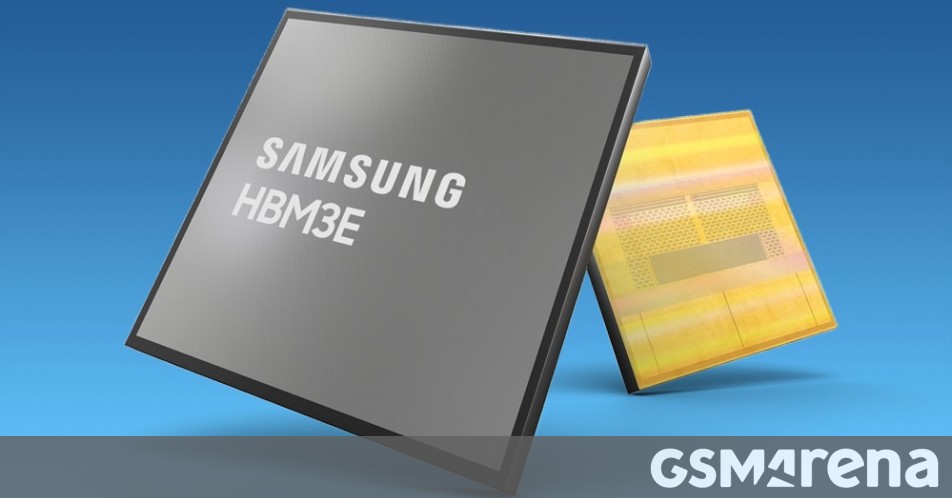
At the heart of the memory crisis lies the insatiable demand from the rapidly expanding artificial intelligence (AI) sector. AI data centers, high-performance computing (HPC) platforms, and advanced graphics processing units (GPUs) require vast quantities of specialized memory chips, primarily High-Bandwidth Memory (HBM) and high-performance GDDR5 DRAM. These memory types are essential for handling the massive datasets and complex computations inherent in AI training and inference models. As AI technology proliferates across industries, from autonomous vehicles to advanced analytics, the demand for these chips has skyrocketed, diverting manufacturing capacity and resources away from other segments, including standard mobile DRAM.
The production of HBM and advanced GDDR5 is incredibly intricate and time-consuming, requiring specialized fabrication processes and significantly more wafer space compared to conventional DRAM modules used in smartphones. This manufacturing complexity means that scaling up production quickly to meet surging AI demand is a monumental challenge. Consequently, memory manufacturers are prioritizing these lucrative, high-margin AI-centric chips, leading to a bottleneck in the supply of more common mobile DRAM variants.
Impact on DRAM and GDDR5
The ripple effect of this prioritization is felt across the entire memory market. Standard DRAM chips, which form the backbone of smartphone memory, share manufacturing facilities and supply chains with their high-performance counterparts. When resources are shifted to HBM and GDDR5, it directly impacts the availability and pricing of LPDDR (Low Power Double Data Rate) DRAM used in mobile devices. This diversion creates a scarcity that drives up prices for all types of DRAM, making it increasingly expensive for smartphone makers to procure the memory they need, especially for configurations as generous as 16GB RAM. The effect is particularly pronounced for devices aiming for top-tier performance, as even a slight increase in component cost can significantly impact profit margins or force price hikes.
Furthermore, the increased lead times and reduced allocation of mobile DRAM components mean that manufacturers must plan further in advance and compete more aggressively for available stock. This competitive environment exacerbates the price pressure, creating an unstable supply chain that directly threatens the feasibility of producing memory-rich devices, including those with 16GB RAM phones, at competitive prices.
The Direct Fallout for Smartphone Manufacturers
The global memory shortage is not merely an abstract market trend; it translates into tangible challenges for smartphone manufacturers, forcing them to reconsider their product strategies, pricing models, and even the fundamental specifications of their devices. The future of 16GB RAM phones is particularly precarious in this environment.
Rising Costs and Pricing Strategies
One of the most immediate and evident consequences of the memory crunch is the escalation in component costs. As DRAM prices climb due to reduced supply and heightened demand from the AI sector, smartphone manufacturers face a difficult choice: absorb the increased costs, which erodes profit margins, or pass them on to consumers through higher retail prices. We have already witnessed this trend with some flagship smartphones hitting the market with notably higher price tags compared to their predecessors, even when offering incremental upgrades. For instance, reports suggest that major players like Samsung are contemplating price adjustments for their mid-range lineups in key markets like India, signaling that the price hikes are not confined to the premium segment.
This situation puts manufacturers in a bind, especially in highly competitive markets where consumers are sensitive to price fluctuations. Maintaining a balance between profitability, market share, and offering compelling specifications becomes an intricate dance. The production cost for a phone with 16GB RAM becomes prohibitively high when memory components are scarce and expensive, forcing brands to evaluate if the market can bear the resulting retail price.
The Dilemma of Price-Sensitive Markets
While some manufacturers might opt for price increases in affluent markets, this strategy is not universally applicable, particularly in price-sensitive regions where affordability is a primary purchasing driver. In such markets, consumers are often unwilling or unable to pay significantly more for a smartphone, regardless of its specifications. Here, manufacturers are compelled to cut costs rather than raise prices, leading to a different set of compromises. This could manifest in various ways, such as using less premium materials, opting for slightly older chipsets, or, most relevant to this discussion, reducing the amount of RAM. This shift in strategy directly impacts the availability of higher-memory configurations.
The pressure to maintain competitive pricing means that even if a manufacturer *could* produce a 16GB RAM phone, the resulting price might make it unsellable in certain regions. This creates a geographical disparity in product offerings, where advanced specifications become exclusive to markets that can absorb higher costs. The strategic decision for companies like OPPO, which recently signed a patent licensing agreement with Audi, illustrates how companies are exploring diverse avenues beyond just hardware sales to secure their financial footing in a challenging market.
The Potential Decline of 16GB RAM Phones
The most alarming projection stemming from the memory shortage is the potential “extinction” or severe reduction in the availability of 16GB RAM phones. Industry sources indicate that such high-capacity devices could become a rarity in the coming year. Manufacturers, faced with limited and expensive memory modules, will logically allocate their available stock to configurations that offer the best balance of performance and cost-effectiveness for the broadest market segment. This typically means prioritizing 6GB and 8GB RAM variants, which still provide robust performance for the vast majority of users, over the niche demand for 16GB. The raw figures being discussed are stark: a potential 40% reduction in the production of 12GB RAM units, with 6GB and 8GB phones stepping in to fill the void. This signifies a noticeable downward shift in baseline memory expectations for new devices.
For consumers, this means that the options for top-tier performance phones might shrink, or they might come with a significantly higher price premium. The aspirational benchmark of 16GB RAM, once a hallmark of ultimate smartphone performance, could transition from a standard feature in flagships to an ultra-premium, limited-edition offering. This shift will force both manufacturers and consumers to re-evaluate what constitutes “high-performance” in a smartphone, potentially pushing the industry towards greater software optimization to compensate for hardware constraints.
Shifting Landscape of Smartphone Specifications
The memory shortage is not just about the scarcity of 16GB RAM phones; it’s ushering in a broader re-evaluation of smartphone memory configurations across all segments. This recalibration is expected to significantly alter what consumers find on store shelves in the near future.
The Return of 4GB RAM?
One of the most surprising, and perhaps disheartening, predictions is the potential resurgence of 4GB RAM phones. While 4GB RAM was once a common configuration for entry-level smartphones, many budget devices have moved towards 6GB or even 8GB in recent years, offering a smoother user experience. However, in the face of escalating memory costs and the need to maintain low price points in highly competitive, price-sensitive markets, manufacturers might revert to 4GB RAM as a standard for their most affordable offerings. This move would be a direct consequence of cost-cutting measures, prioritizing accessibility over advanced multitasking capabilities.
For consumers, this means that entry-level devices might feel less snappy than their predecessors, potentially struggling with multiple apps open or demanding tasks. While modern Android and iOS (as seen with Apple’s iOS 26.2 and iPadOS 26.2 updates) are highly optimized, a substantial reduction in physical RAM can still impact overall fluidity and future-proofing. This shift underscores the economic pressures at play, pushing manufacturers to make difficult compromises.
The Dominance of 6GB and 8GB Mid-Range Devices
As 16GB and 12GB RAM phones become scarcer, the 6GB and 8GB RAM configurations are poised to become the new sweet spot and potentially the de facto standard for a wider range of smartphones, from budget-friendly options to what were previously considered premium mid-range devices. These capacities offer a robust user experience for most daily tasks, including web browsing, social media, casual gaming, and running multiple applications simultaneously. For many users, 8GB RAM is more than sufficient, making it an attractive compromise for manufacturers looking to balance cost and performance.
The shift towards 6GB and 8GB will likely mean that phones in this category will offer increasingly optimized software experiences to make the most of their available memory. This could drive innovation in software efficiency, where manufacturers focus on streamlining operating systems and applications to run smoothly on less physical RAM. We might see more devices like the Vivo S50, whose complete specifications have recently been revealed, setting new benchmarks for performance within these memory tiers.
Impact on Flagship vs. Budget Segments
The memory shortage will undoubtedly create a more pronounced divide between flagship and budget segments. While budget phones might regress to 4GB or 6GB RAM, flagships will still strive to offer higher memory, albeit at a premium. The availability of 16GB RAM phones will likely be restricted to the absolute top-tier, ultra-premium devices, making them even more exclusive and expensive. This could lead to a scenario where the performance gap between a high-end mid-range phone and a flagship becomes less about raw RAM capacity and more about processor power, camera capabilities, and other differentiating features.
The mid-range segment, historically a battleground for specifications, will likely consolidate around 8GB RAM as its upper limit, with 6GB becoming more common. This forces manufacturers to innovate in other areas to make their mid-range offerings stand out, whether through superior display technology, faster charging, or advanced camera software, much like the OnePlus 15’s latest update which introduced neon camera filters and bypass charging for non-gaming activities. This shift could push innovation towards more holistic user experiences rather than simply chasing higher RAM numbers.